Exploring the Future of Underwater Exploration with Diver Propulsion Vehicles

Underwater exploration has always fascinated adventurers, scientists, and marine enthusiasts. The vast oceans hold countless mysteries, but exploring them efficiently and safely remains a challenge. Diver propulsion vehicles (DPVs) are transforming how divers navigate underwater environments, opening new possibilities for research, recreation, and conservation. This post explores how DPVs work, their benefits, and what the future holds for underwater exploration.

What Are Diver Propulsion Vehicles?
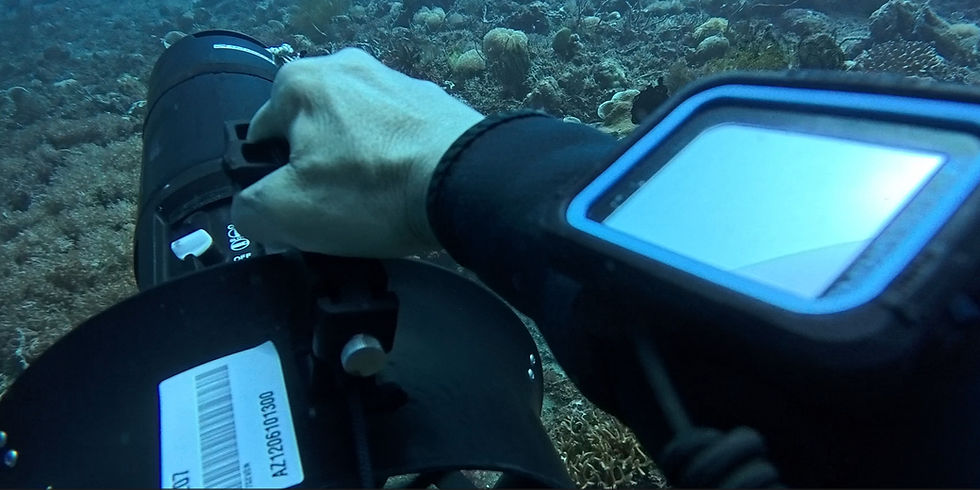
Diver propulsion vehicles are compact, battery-powered devices that help divers move through water with minimal effort. Instead of swimming against currents or covering long distances by kicking, divers hold onto or attach these vehicles to glide smoothly underwater. DPVs come in various sizes and designs, from small handheld units for recreational divers to larger models used by military or scientific teams.
DPVs typically consist of a waterproof motor, propeller, and a battery pack. The diver controls speed and direction using handles or a control panel. Some models include safety features like automatic shutoff if the diver releases the device or sensors to avoid obstacles.
Advantages of Using Diver Propulsion Vehicles
DPVs offer several benefits that improve underwater exploration:
Extended Range and Speed
Divers can cover much greater distances without tiring quickly. This allows exploration of larger areas such as shipwrecks, caves, or reefs.
Energy Conservation
By reducing physical effort, divers conserve oxygen and energy, enabling longer dive times and safer ascents.
Access to Challenging Environments
DPVs help divers navigate strong currents, deep waters, or complex underwater terrain that would be difficult or dangerous to swim through.
Improved Safety
Faster movement can help divers avoid hazards or reach the surface quickly in emergencies.
Enhanced Research Capabilities
Scientists can carry equipment and cover more ground during underwater surveys or data collection.
Practical Applications of Diver Propulsion Vehicles
DPVs have found use in many fields beyond recreational diving:
Marine Biology and Conservation
Researchers studying coral reefs, fish populations, or underwater ecosystems use DPVs to move quietly and efficiently. This reduces disturbance to marine life and allows for more detailed observations. For example, marine biologists tracking sea turtle migrations can cover large distances while minimizing stress on the animals.
Underwater Archaeology
Exploring shipwrecks and submerged ruins often requires covering wide areas and maneuvering through tight spaces. DPVs help archaeologists reach remote sites and transport tools or samples. The ability to move quickly also reduces dive time in hazardous conditions.
Search and Rescue Operations
In emergencies such as lost divers or underwater accidents, DPVs enable rescue teams to reach victims faster. Their speed and maneuverability can be critical in time-sensitive situations.
Recreational Diving and Photography
Many recreational divers use DPVs to explore reefs or underwater caves more easily. Underwater photographers benefit from stable, controlled movement that helps capture clear images without disturbing the environment.
Innovations Shaping the Future of DPVs
Technology continues to improve DPVs, making them more efficient, user-friendly, and versatile.
Battery and Motor Improvements
Advances in battery technology, such as lithium-ion cells, have increased DPV run times and reduced weight. More efficient motors provide stronger thrust while consuming less power, allowing longer dives without recharging.
Smart Features and Connectivity
Some modern DPVs include digital displays showing speed, battery life, and depth. Integration with dive computers or smartphones helps divers monitor conditions and plan routes. Future models may incorporate GPS tracking or sonar to map underwater terrain in real time.
Modular and Customizable Designs
Manufacturers are developing modular DPVs that can be adapted for different uses. For example, adding extra battery packs for extended range or mounting specialized equipment like lights, cameras, or sensors.
Environmental Considerations
New designs focus on minimizing noise and water disturbance to protect marine life. Some DPVs use quieter brushless motors and streamlined shapes to reduce impact on sensitive habitats.
Tips for Choosing and Using a Diver Propulsion Vehicle
Selecting the right DPV depends on your diving goals, experience, and budget. Here are some factors to consider:
Dive Type
Recreational divers may prefer lightweight, easy-to-handle models. Technical or cave divers might need more powerful units with longer battery life.
Battery Life
Check how long the DPV can operate on a single charge and how quickly it recharges.
Speed and Thrust
Consider the maximum speed and how well the DPV handles currents or vertical movement.
Size and Weight
A compact DPV is easier to transport and maneuver but may have less power.
Safety Features
Look for automatic shutoff, emergency release, and reliable controls.
Maintenance and Support
Choose brands with good customer service and available replacement parts.
When using a DPV, always practice safe diving techniques:
Familiarize yourself with controls before diving
Monitor battery levels and oxygen supply closely
Avoid rapid ascents or descents to prevent decompression sickness
Respect marine life and avoid collisions with coral or animals
Dive with a buddy and communicate your plan clearly

The Future of Underwater Exploration
Diver propulsion vehicles are changing how people explore and study the underwater world. As technology advances, DPVs will become more accessible, efficient, and integrated with other tools like underwater drones and sensors. This will expand opportunities for:
Citizen Science
More divers can contribute to marine research by covering larger areas and collecting data.
Environmental Monitoring
DPVs equipped with sensors can track water quality, temperature, and pollution levels.
Underwater Tourism
Guided tours using DPVs can offer unique experiences while reducing diver fatigue.
Military and Security Operations
Enhanced DPVs will support underwater surveillance and defense missions.
Exploring the oceans will become safer, faster, and more informative with DPVs. Whether you are a scientist, diver, or enthusiast, these vehicles offer a powerful way to connect with the underwater world.


Comments